
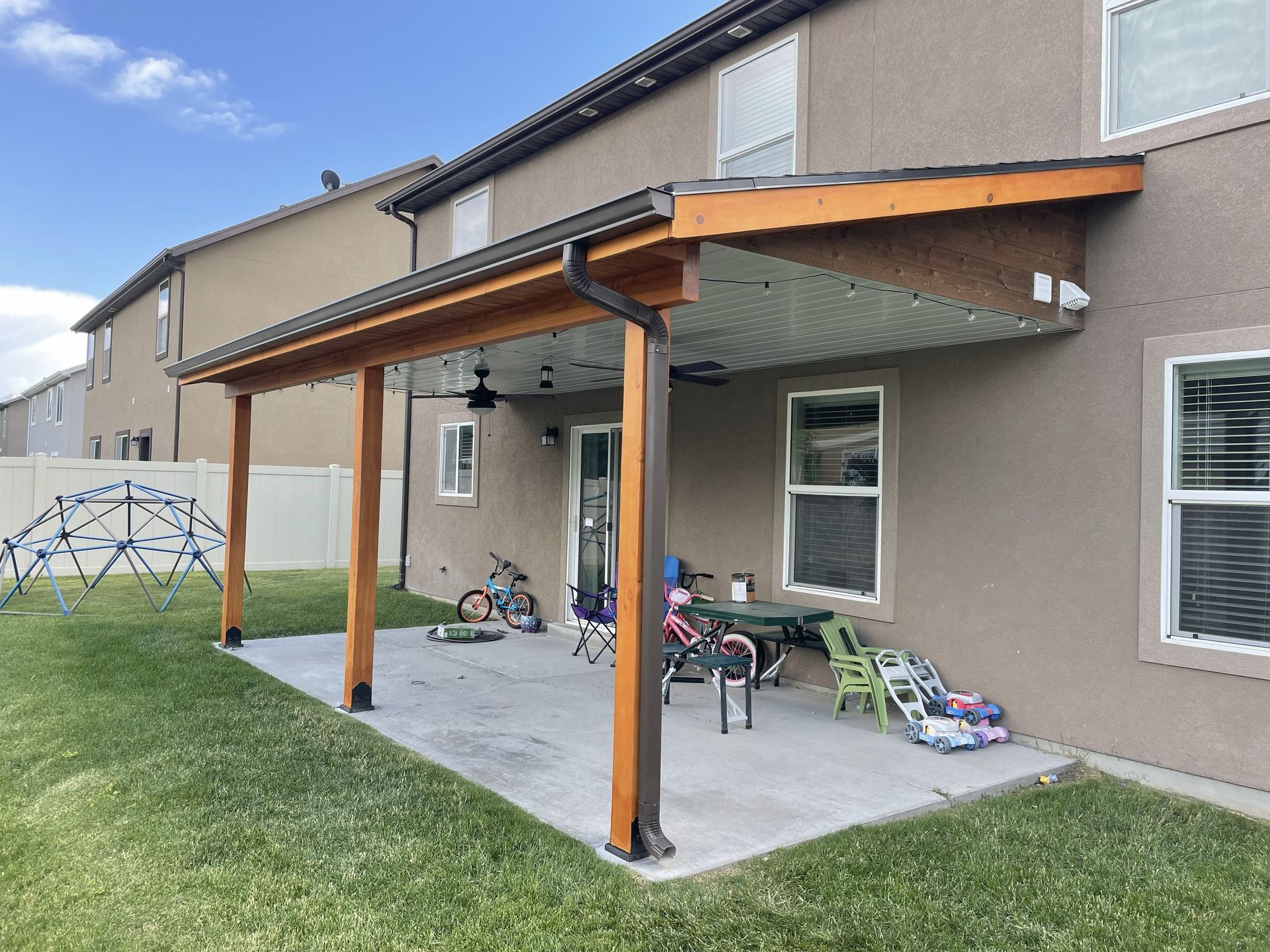
A framed roof provides solid overhead protection from sun, rain, and snow, turning your patio into a space you can use regardless of weather conditions. Without a roof, patios sit unused during storms or extreme heat. A framed structure with shingles or metal roofing lets you enjoy outdoor meals, host gatherings, or relax outside even when the forecast is poor. The roof also protects outdoor furniture and equipment from UV damage and moisture, reducing replacement costs over time. Framed designs support heavier loads than fabric canopies, so you can add ceiling fans, lighting, or even heaters for cooler months. This makes your patio a true extension of your indoor living area.
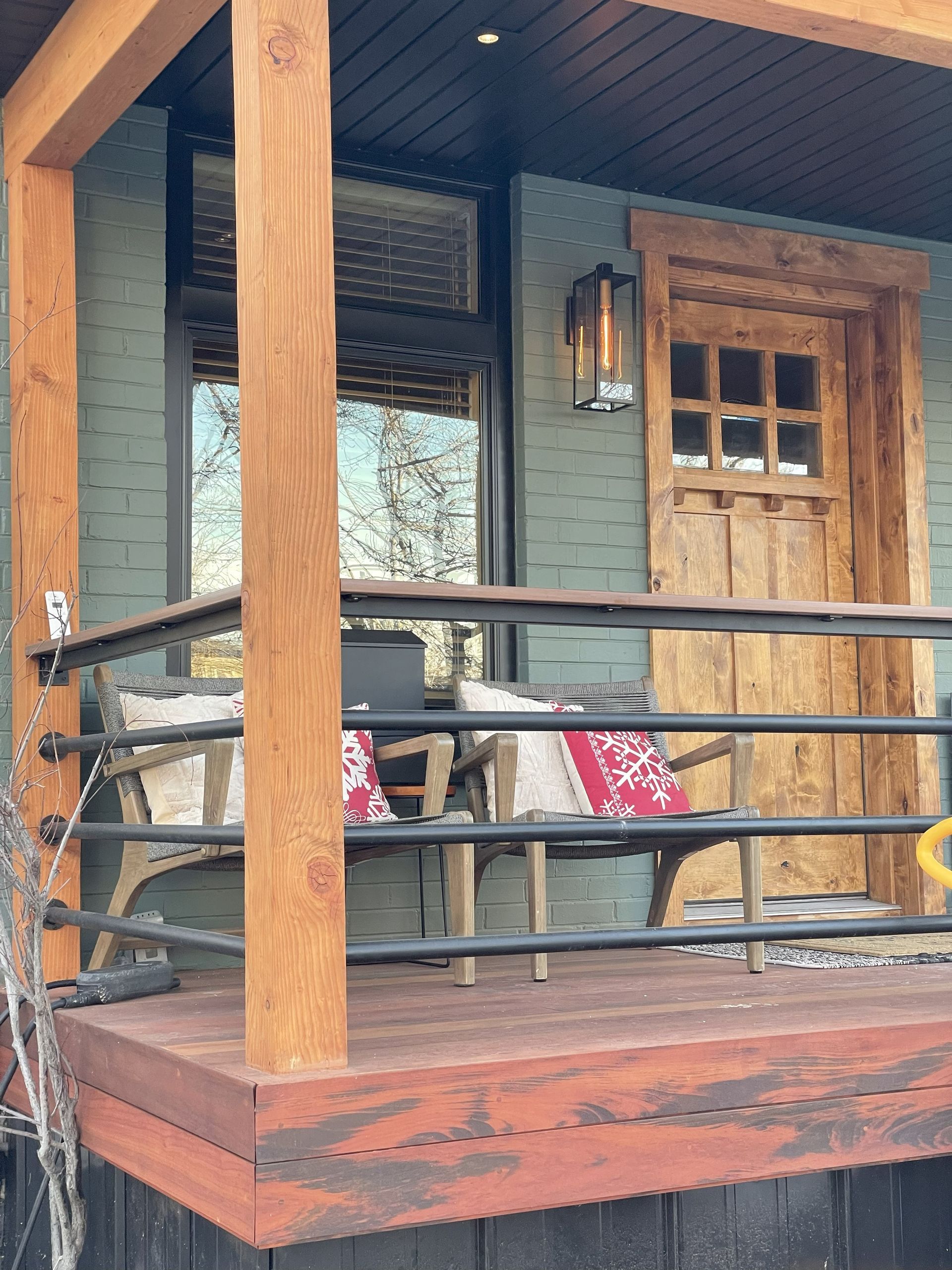
Iron railings provide maximum strength and durability, aluminum resists corrosion and stays lightweight, and wood offers flexibility in design while requiring regular maintenance to remain secure. Iron is the strongest option for high-traffic decks or elevated platforms where impact resistance matters most. It can support heavy loads and withstand accidental strikes without bending. Aluminum delivers similar durability at a lower weight, making it easier to install on existing structures without adding stress to the deck frame. Wood railings integrate visually with timber decks and allow for custom profiles and decorative details. However, wood needs periodic inspection for rot or loose fasteners, especially in joints where moisture can collect. Proper sealing extends the life of wood railings and keeps them safe to use.
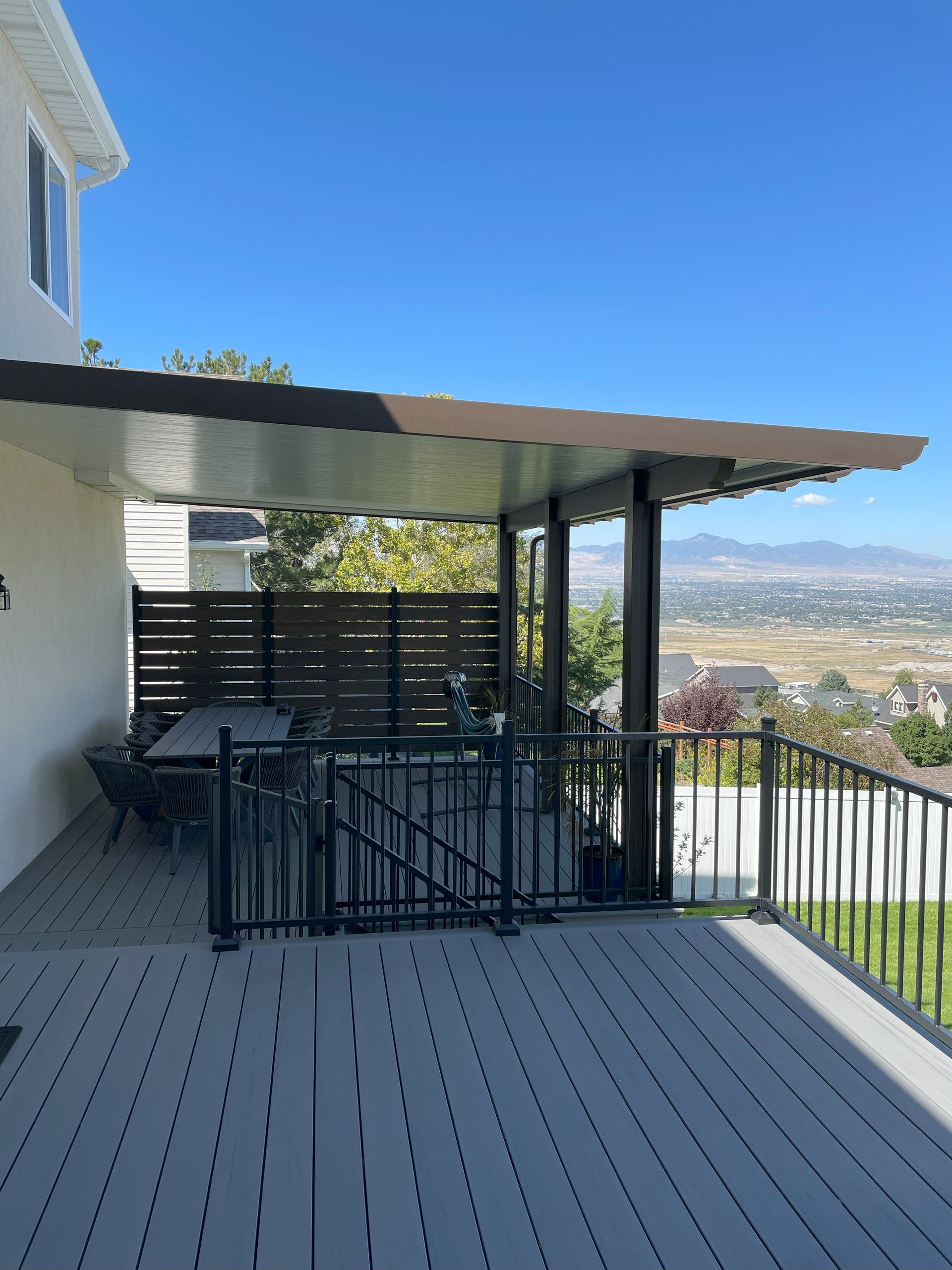
Retractable awnings extend when you need shade and roll back to expose the area to sun or reduce wind load, while fixed awnings stay in place year-round. Retractable options give you control over sun exposure throughout the day. You can extend the awning during peak afternoon heat and retract it in the evening to enjoy starlight or let morning sun warm your patio. Fixed awnings provide constant coverage and typically support heavier fabric weights, making them suitable for areas where you want permanent shelter. Both styles can be customized to match your home's exterior and the dimensions of your outdoor space. Retractable models require a mounting surface strong enough to handle the mechanical housing, while fixed frames need robust anchoring for wind resistance.
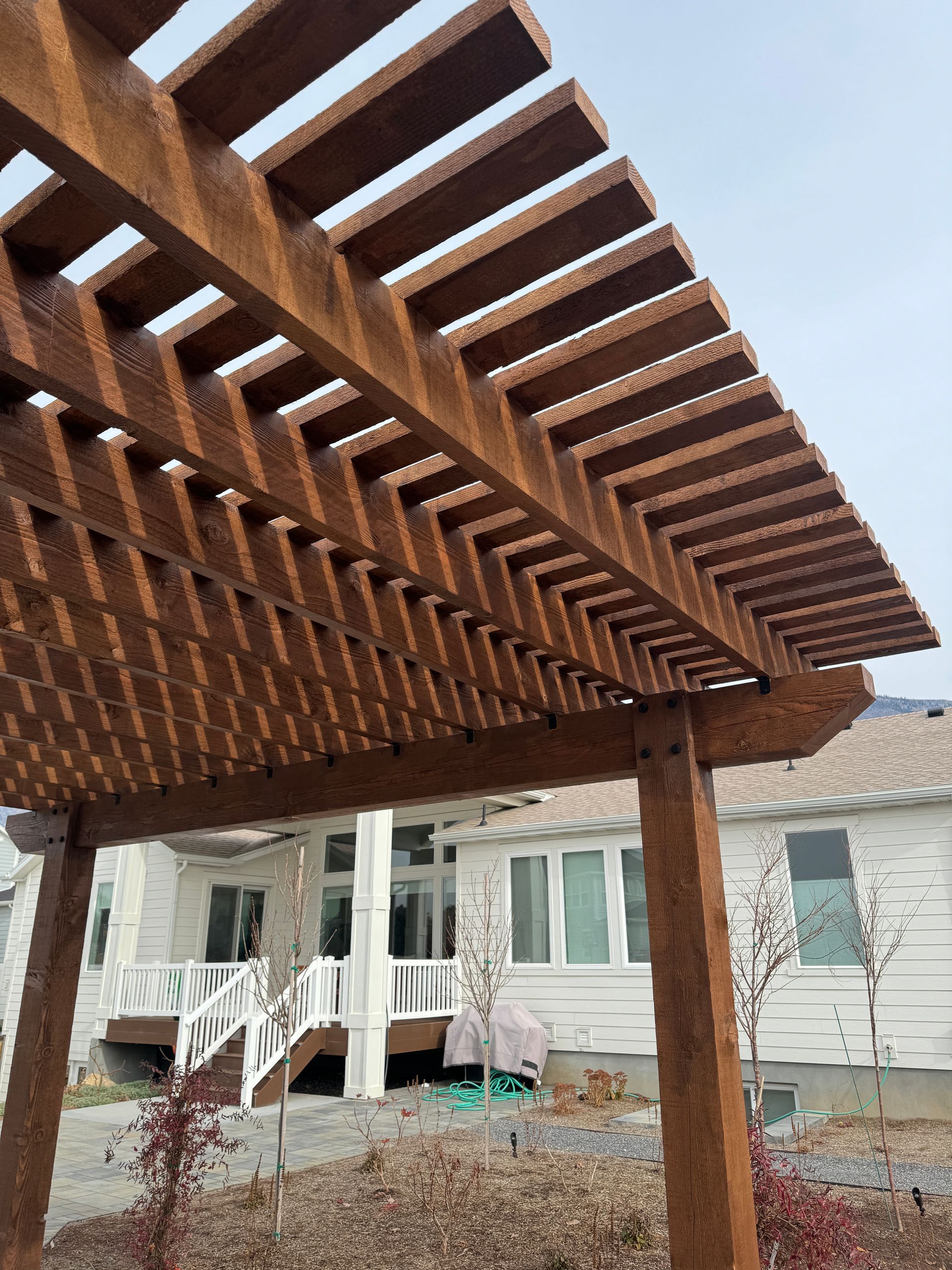
Aluminum pergolas resist rust and require minimal upkeep, while timber pergolas offer natural warmth and can be stained to match existing outdoor finishes. Aluminum holds up well in Highland's dry climate and won't warp or crack as temperatures shift. It's a practical choice if you want a structure that stays consistent in appearance without regular treatment. Timber gives you more flexibility in design details and ages with character if you apply protective sealers periodically. Both materials support ceiling fans and lighting installations. Aluminum frames often come pre-drilled for electrical runs, while timber allows for custom routing during the build. For related outdoor projects, consider awning installation services in Highland to add shade options alongside your pergola.
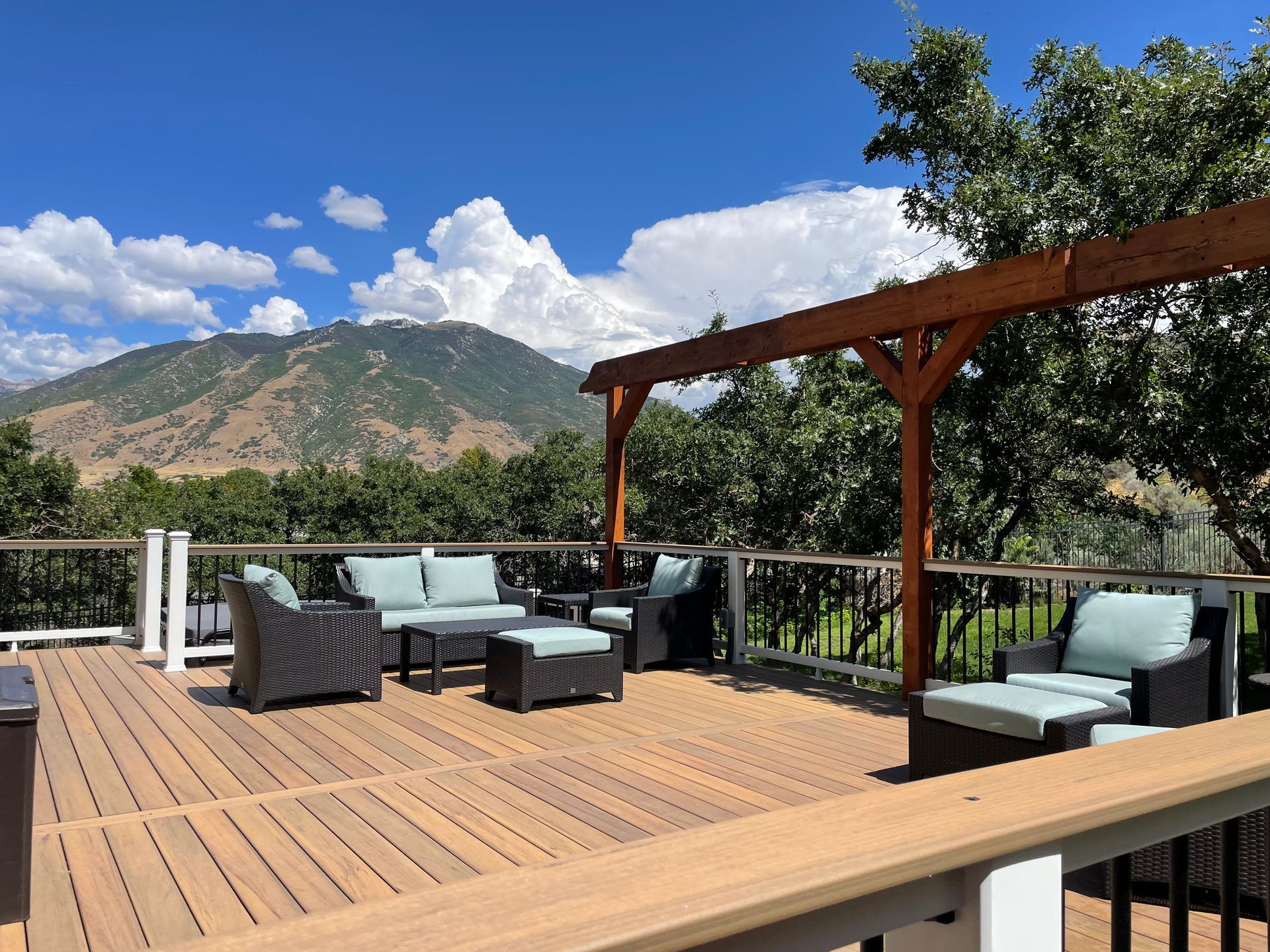
Composite materials require less maintenance than wood and resist warping, while wood offers a natural appearance and can be refinished over time. Your choice between composite and wood depends on how much upkeep you want to manage. Composite decks stay consistent in color and texture for years without staining or sealing. Wood decks develop character as they age and give you the option to change their finish when your style preferences shift. Both materials perform well in Utah's dry climate. Composite resists fading from sun exposure, and wood can be treated to handle temperature swings. The decision often comes down to whether you prefer low maintenance or the flexibility to refresh the look later.
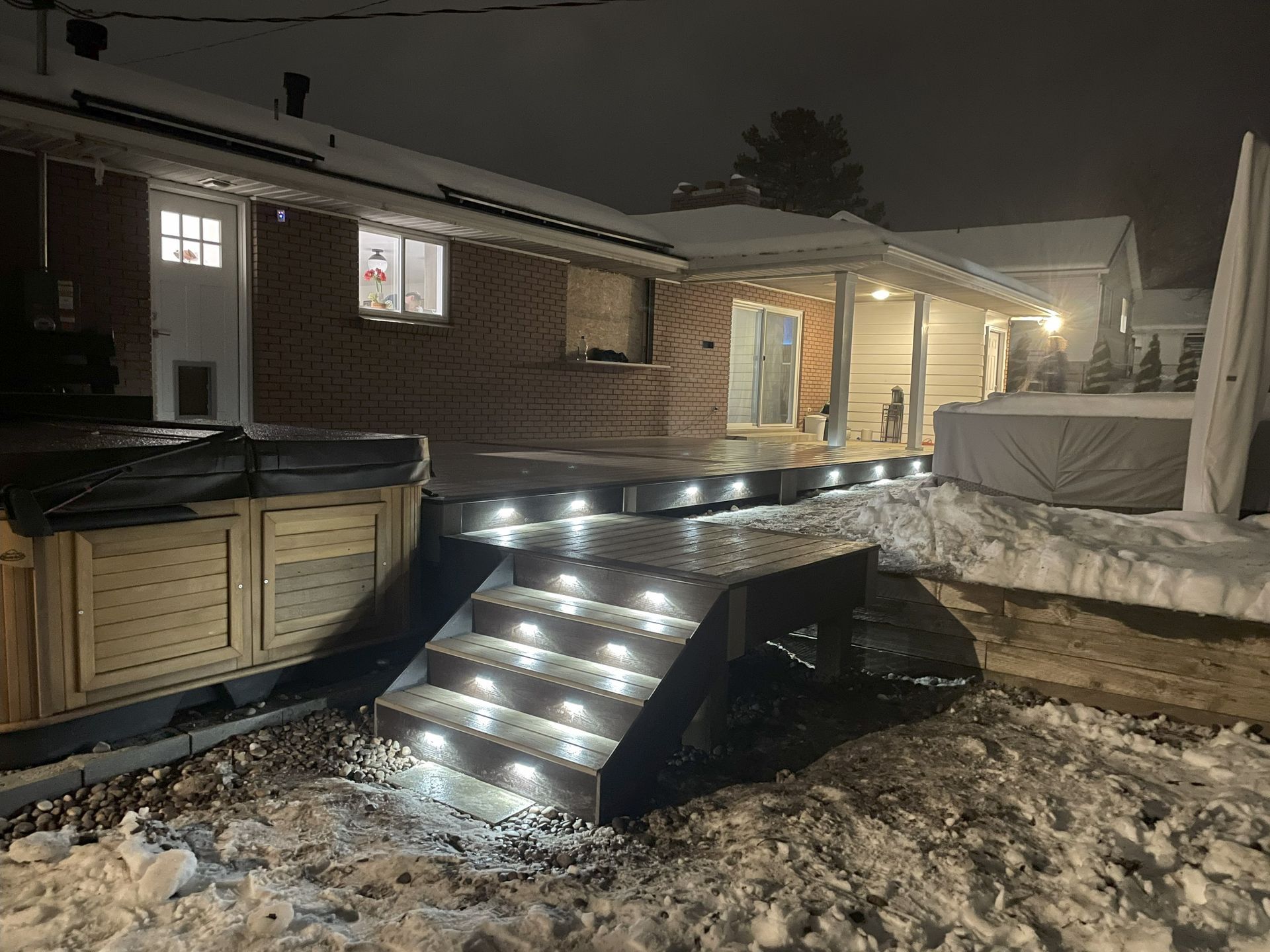
Recessed speakers installed in soffits or pergola beams provide ambient sound without visible hardware, creating a clean look while delivering music or audio throughout your outdoor space. Integrated audio turns your patio or deck into an entertainment zone for gatherings or quiet evenings. Recessed units stay protected from weather and blend into the structure, so they don't interrupt sight lines or decor. Pairing speakers with lighting controls lets you adjust both from a single interface, simplifying operation. Bluetooth connectivity allows you to stream audio from your phone or tablet without running extra cables. This flexibility means you can change playlists or adjust volume on the fly. If you're enhancing multiple outdoor features, consider awning installation services in Pleasant Grove to add covered zones where speakers and lights work together seamlessly.
Learn when to call a deck contractor in American Fork, including warning signs, seasonal timing, and preparation tips for your project.
Explore custom outdoor living solutions for Draper homes, including design considerations, multi-season features, and value-adding elements.
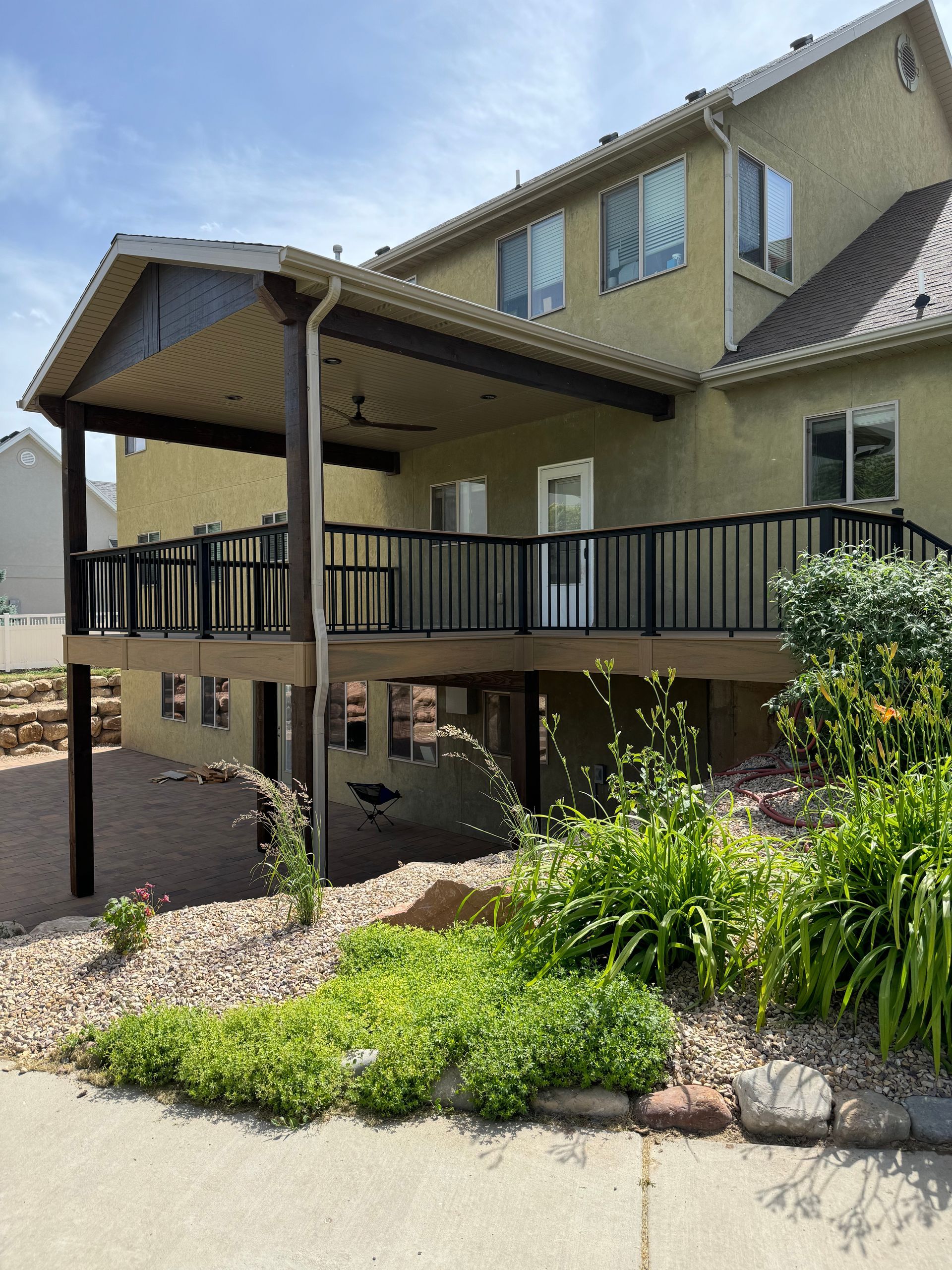
Discover essential roof structure options for West Jordan homes, including snow load considerations, materials, and local planning requirements.
Learn how to select the right custom deck builder in Lehi. Get expert tips on evaluating experience, quality, and local expertise for your outdoor project.