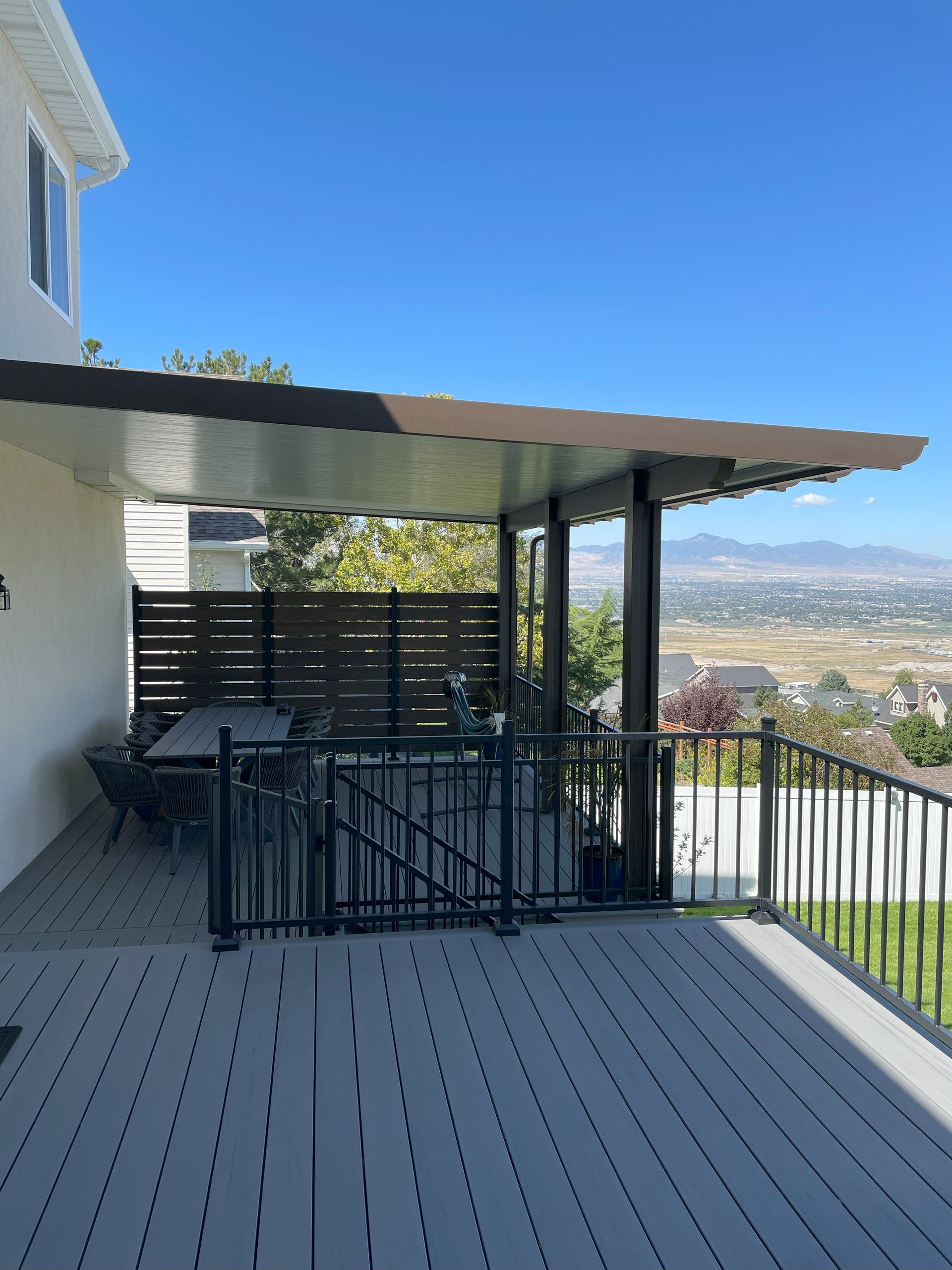
Do Custom Railings Improve Deck Safety in Draper, UT?

Custom railing installation in Draper, UT significantly improves deck safety by using iron, aluminum, and wood materials with engineered attachment methods and strict code compliance to prevent falls and support structural integrity.

How do material choices affect railing safety?

Iron railings provide maximum strength and durability, aluminum resists corrosion and stays lightweight, and wood offers flexibility in design while requiring regular maintenance to remain secure.


Iron is the strongest option for high-traffic decks or elevated platforms where impact resistance matters most. It can support heavy loads and withstand accidental strikes without bending. Aluminum delivers similar durability at a lower weight, making it easier to install on existing structures without adding stress to the deck frame.


Wood railings integrate visually with timber decks and allow for custom profiles and decorative details. However, wood needs periodic inspection for rot or loose fasteners, especially in joints where moisture can collect. Proper sealing extends the life of wood railings and keeps them safe to use.

What are engineered attachment methods?

Engineered attachment methods use fasteners and brackets designed to meet load requirements specified by building codes, ensuring railings stay secure under pressure.


Standard screws or nails don't always provide enough holding power for railing posts, especially on elevated decks. Engineered connectors distribute force across wider areas and resist pullout when someone leans against the rail. These systems are tested to handle both vertical loads and lateral forces that occur during normal use.


Professional installation ensures attachments reach solid framing members, not just surface decking. This prevents weak points that could fail over time. If you're upgrading an older deck, pairing new railings with a full inspection helps identify any framing issues that need reinforcement. For comprehensive outdoor projects, consider custom deck building services in Draper to address both deck and railing safety together.

Which building codes apply to deck railings in Draper?

Draper follows the International Residential Code, which requires railings on decks more than 30 inches above grade with balusters spaced no more than 4 inches apart.


The 4-inch spacing rule prevents small children from slipping through gaps. Railing height must reach at least 36 inches, measured from the deck surface to the top of the rail. Handrails need to support at least 200 pounds of force applied in any direction, which is why engineered attachments and quality materials are essential.


Local inspectors verify compliance during permit reviews and final inspections. Non-compliant railings can delay project approval or require costly rework. Working with experienced builders ensures your design meets all requirements before construction begins.

How does Draper's terrain influence railing design?

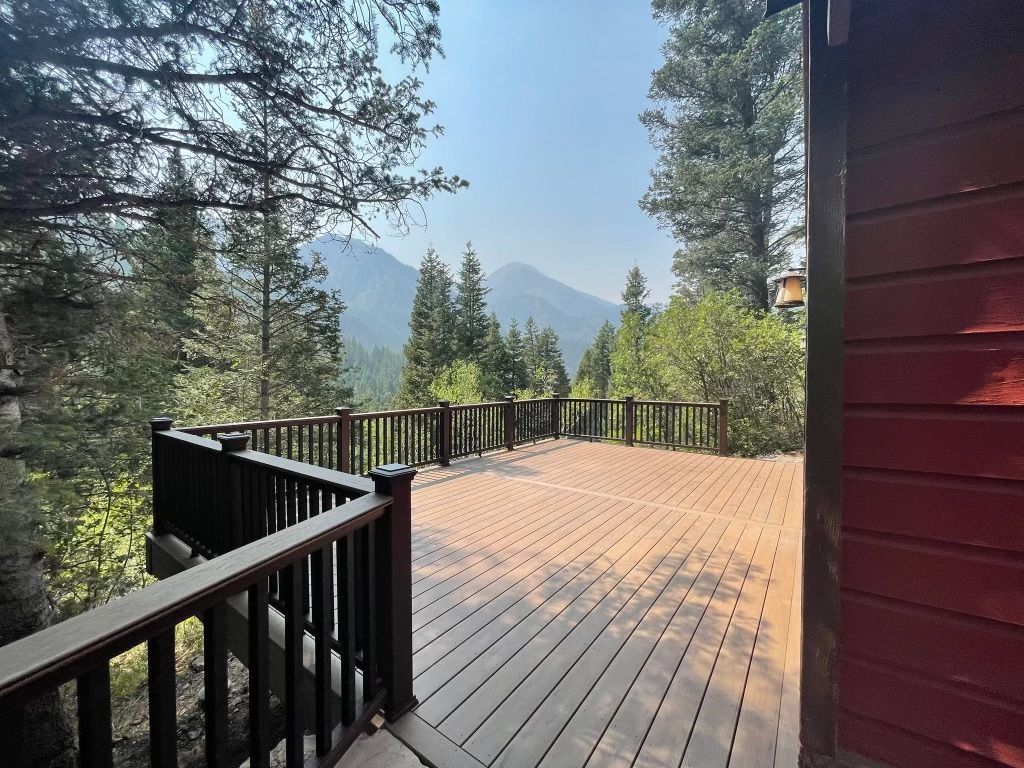
Draper's foothill lots often feature steep slopes and elevated decks, making robust railings critical for safety and requiring custom height adjustments to match uneven terrain.


Multi-level decks on sloped properties need railings that transition smoothly between different elevations. Posts must be anchored securely into sloped framing, and baluster spacing must remain consistent even when the deck surface changes angle. Custom railing systems account for these variations and maintain code compliance across the entire structure.


Wind exposure increases at higher elevations, so railings also need to resist lateral pressure from gusts. Reinforced post mounts and heavier materials help railings stay stable in exposed locations. If you're planning additional outdoor features, explore covered patio construction services in Draper to create sheltered zones that reduce wind impact on railings.


Safety-focused custom railings provide essential protection for elevated decks and add visual appeal with material and design choices that suit your home. Code-compliant installation ensures long-term performance and peace of mind.


See how H&L Custom Builders can upgrade your deck railings in Draper, UT by calling 801-699-9617 today.

By H&L Custom Builders January 29, 2026
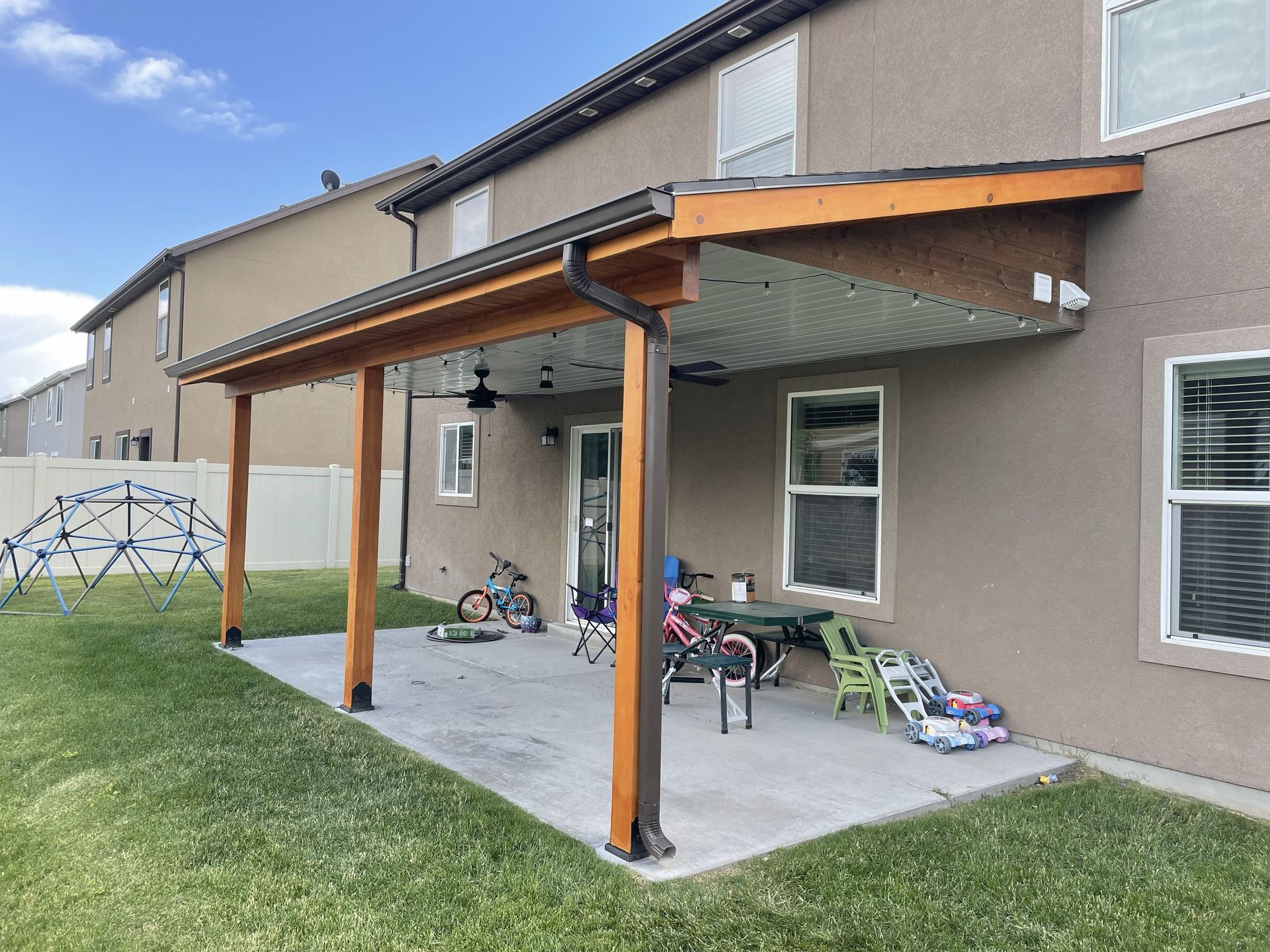
Retractable awnings extend when you need shade and roll back to expose the area to sun or reduce wind load, while fixed awnings stay in place year-round. Retractable options give you control over sun exposure throughout the day. You can extend the awning during peak afternoon heat and retract it in the evening to enjoy starlight or let morning sun warm your patio. Fixed awnings provide constant coverage and typically support heavier fabric weights, making them suitable for areas where you want permanent shelter.  Both styles can be customized to match your home's exterior and the dimensions of your outdoor space. Retractable models require a mounting surface strong enough to handle the mechanical housing, while fixed frames need robust anchoring for wind resistance.
By H&L Custom Builders January 29, 2026
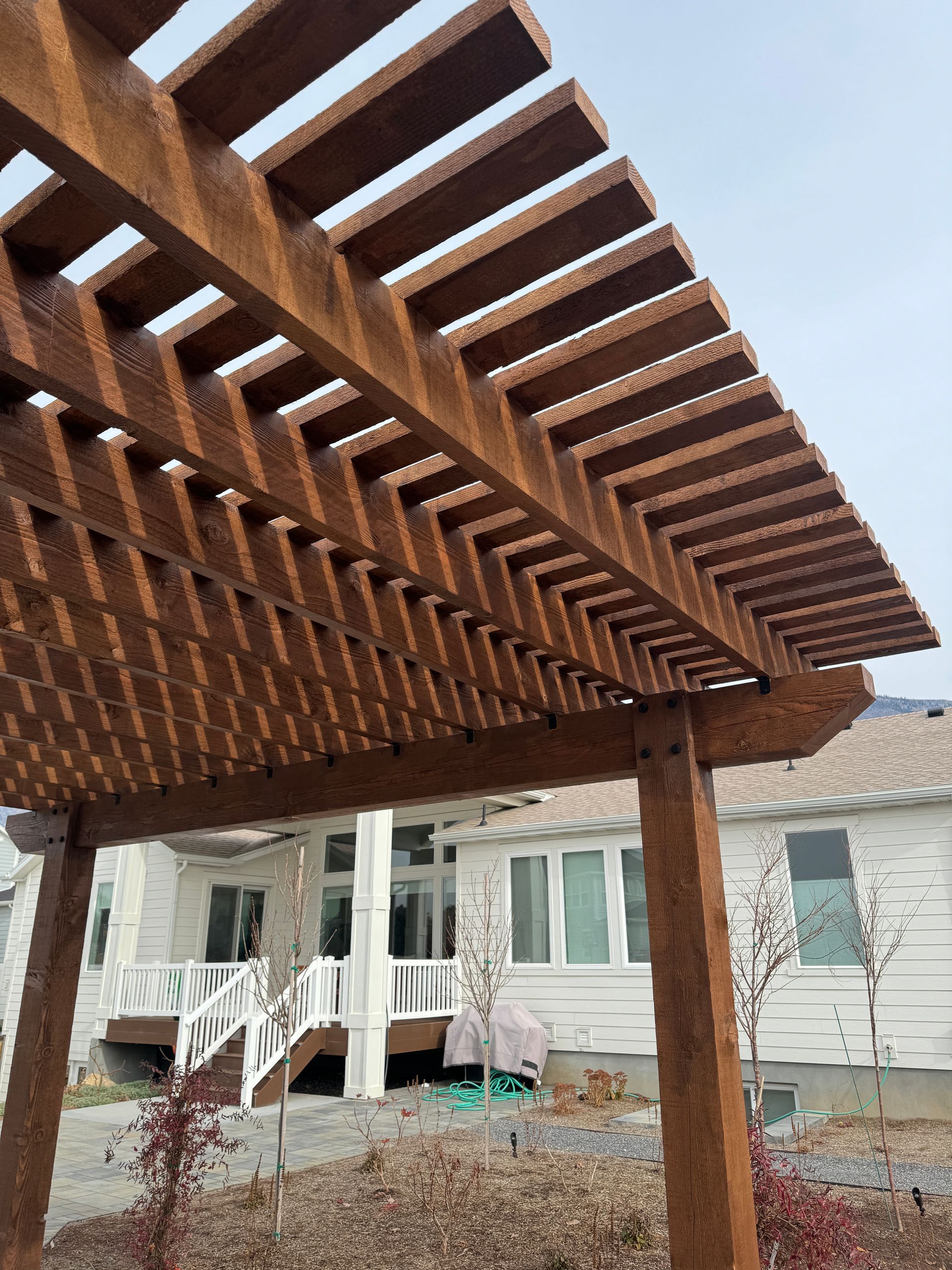
Aluminum pergolas resist rust and require minimal upkeep, while timber pergolas offer natural warmth and can be stained to match existing outdoor finishes. Aluminum holds up well in Highland's dry climate and won't warp or crack as temperatures shift. It's a practical choice if you want a structure that stays consistent in appearance without regular treatment. Timber gives you more flexibility in design details and ages with character if you apply protective sealers periodically.  Both materials support ceiling fans and lighting installations. Aluminum frames often come pre-drilled for electrical runs, while timber allows for custom routing during the build. For related outdoor projects, consider awning installation services in Highland to add shade options alongside your pergola.
By H&L Custom Builders January 29, 2026
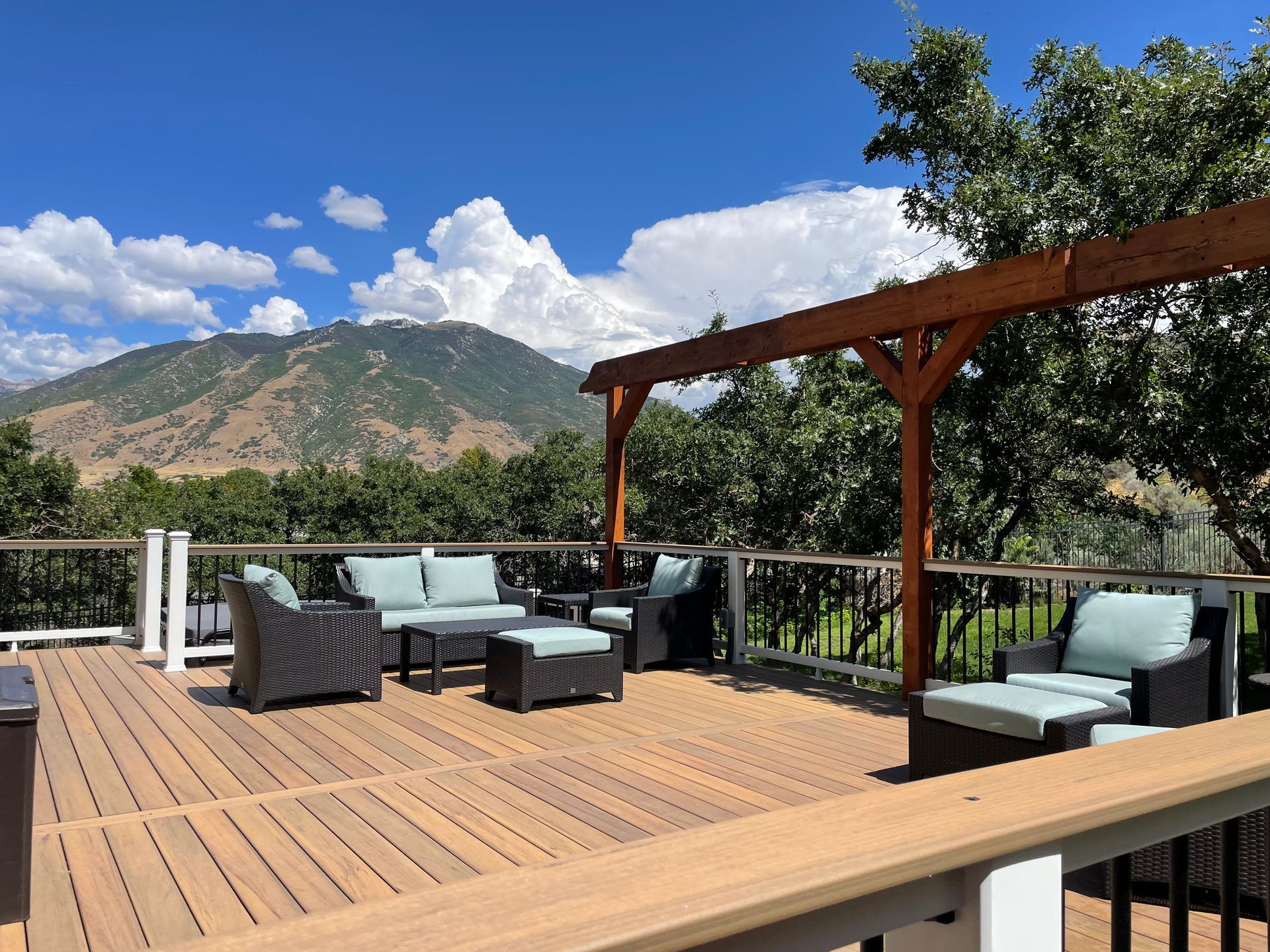
Composite materials require less maintenance than wood and resist warping, while wood offers a natural appearance and can be refinished over time. Your choice between composite and wood depends on how much upkeep you want to manage. Composite decks stay consistent in color and texture for years without staining or sealing. Wood decks develop character as they age and give you the option to change their finish when your style preferences shift.  Both materials perform well in Utah's dry climate. Composite resists fading from sun exposure, and wood can be treated to handle temperature swings. The decision often comes down to whether you prefer low maintenance or the flexibility to refresh the look later.
By H&L Custom Builders October 9, 2025
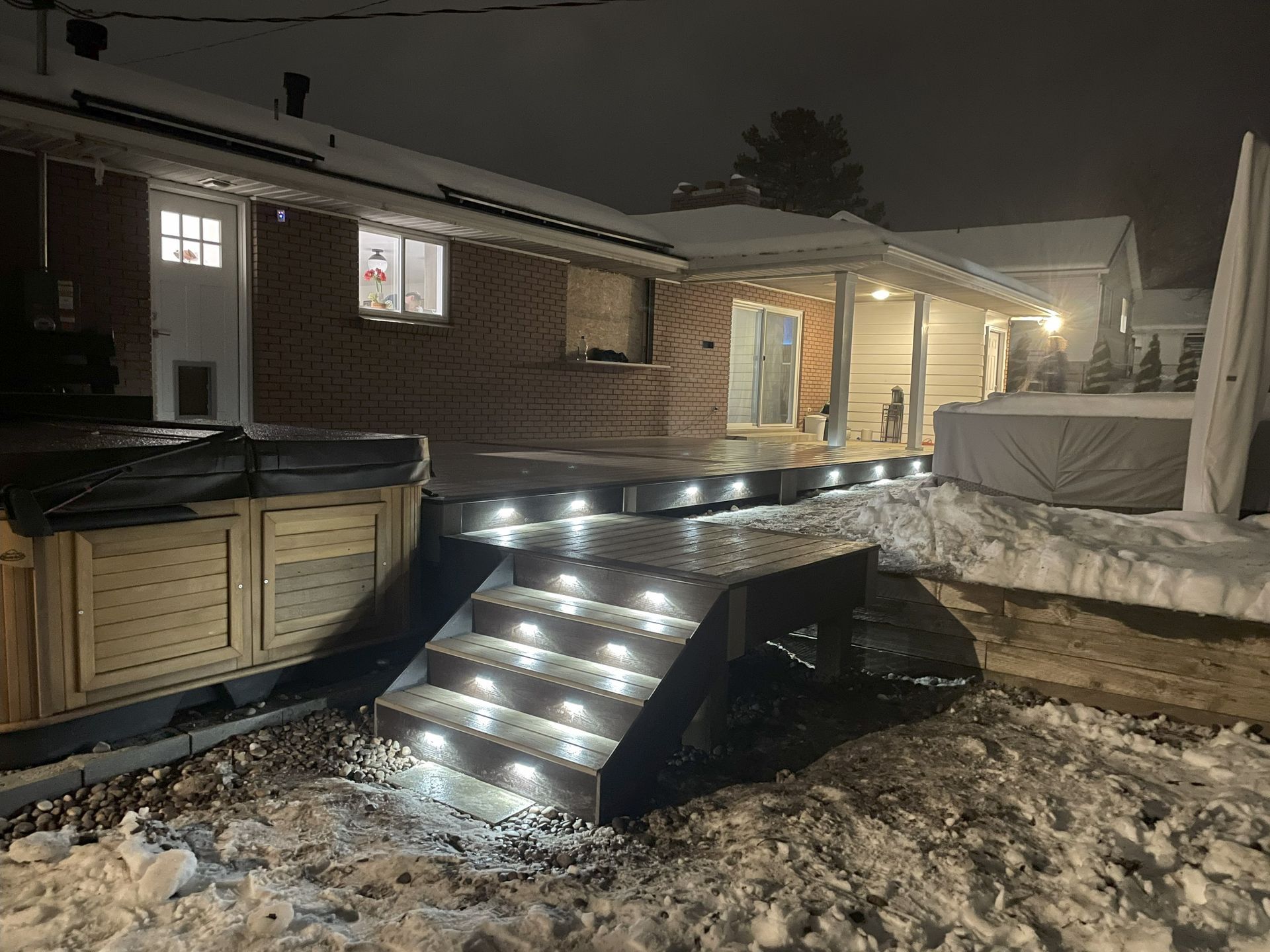
Learn when to call a deck contractor in American Fork, including warning signs, seasonal timing, and preparation tips for your project.
By H&L Custom Builders September 25, 2025
Explore custom outdoor living solutions for Draper homes, including design considerations, multi-season features, and value-adding elements.
By H&L Custom Builders September 11, 2025
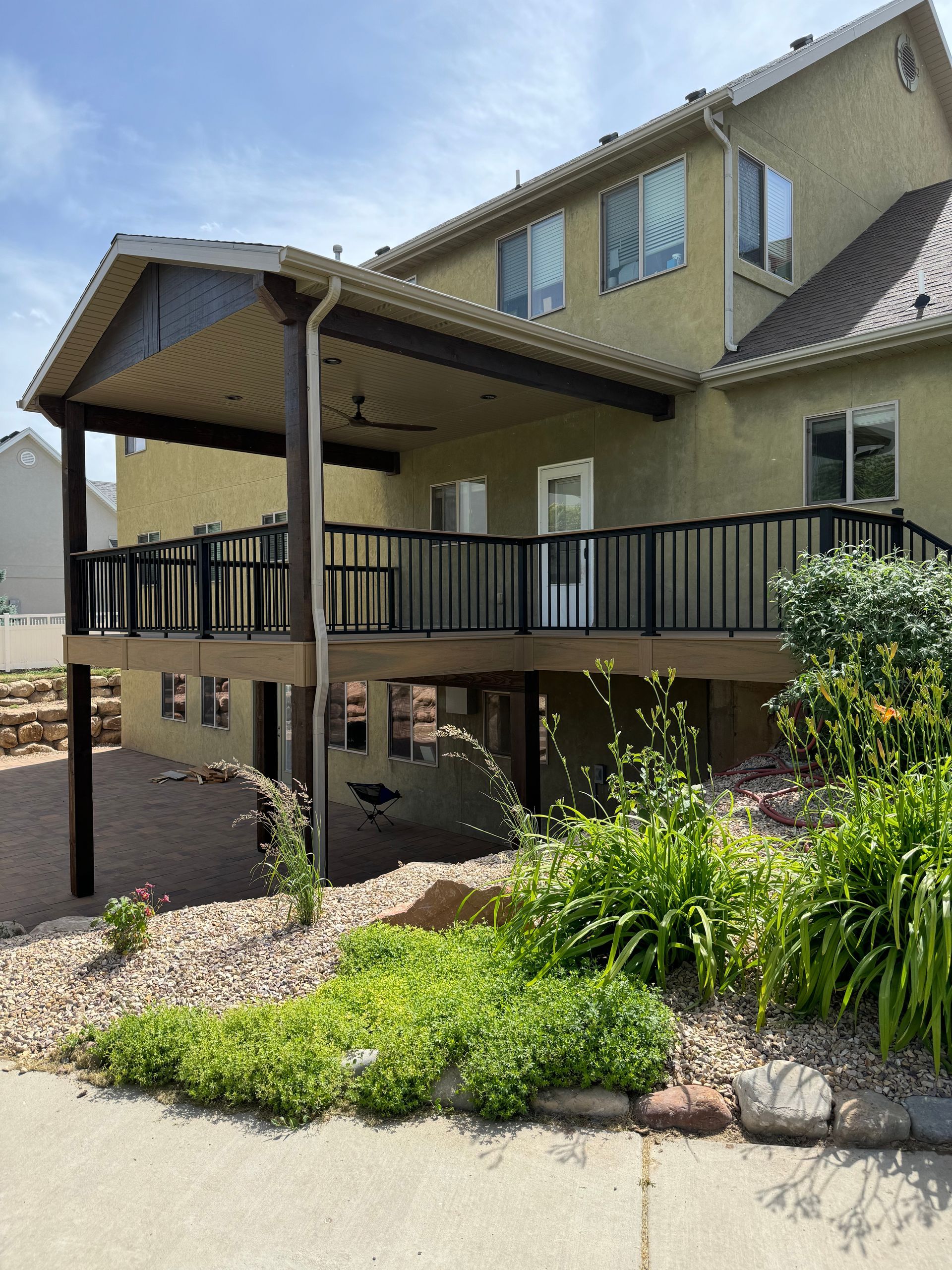
Discover essential roof structure options for West Jordan homes, including snow load considerations, materials, and local planning requirements.
By H&L Custom Builders August 28, 2025
Learn how to select the right custom deck builder in Lehi. Get expert tips on evaluating experience, quality, and local expertise for your outdoor project.
By H&L Custom Builders August 28, 2025
Learn how to find quality railings in Saratoga Springs, including material selection, safety standards, and contractor evaluation tips for your home.
By H&L Custom Builders August 28, 2025
Discover what to expect during pergola installation in Highland, including timeline, preparation steps, and local considerations for your outdoor project.
A backyard with a wooden deck , patio furniture , and a white fence.
By Nick Landono January 20, 2025
Your deck is more than just a place to unwind or entertain—it’s an extension of your home, offering comfort, style, and a connection to the outdoors. But to keep it looking beautiful and functioning well for years to come, regular maintenance is key. Whether you have a wood deck, composite decking, or any other material, keeping your outdoor space in top condition requires some know-how. In this Deck Maintenance 101 guide, we’ll walk you through essential tips to preserve your deck's beauty, prevent costly repairs, and ensure it stands up to the elements season after season. 1. Regular Cleaning Is Essential The foundation of good deck maintenance is keeping it clean. Dirt, debris, leaves, and even algae or mold can build up over time, leading to discoloration, slippery surfaces, or even damage if not addressed. How to Clean Your Deck: Sweep Regularly: Sweep your deck every couple of weeks to remove dirt, leaves, and debris. This prevents buildup that can lead to staining or clogging the gaps between deck boards. Wash Seasonally: A thorough wash is recommended at least once a year. Use a deck cleaner designed for your deck’s material, whether wood or composite. A pressure washer can be useful, but be careful not to use too high a setting, as it can damage the wood or loosen fasteners. Tackle Mold and Mildew: In damp climates, mold and mildew can grow quickly. Treat your deck with a mold-resistant cleaner or a homemade solution (like vinegar and water) to remove these growths before they become a long-term problem. 2. Protect with Seals and Stains (For Wood Decks) If you have a wood deck, sealing and staining are crucial to prolong its lifespan and maintain its appearance. Without proper protection, your deck’s wood can dry out, crack, warp, or discolor over time. Sealing and Staining Tips: Sealing: Wood decks should be sealed with a high-quality water-repellent sealant every one to two years. This helps to protect the wood from moisture, which can cause swelling, warping, or rot. Always make sure the deck is completely dry before applying any sealant. Staining: Staining your deck not only enhances the wood’s natural beauty but also adds an extra layer of protection. If you prefer a natural look, choose a transparent or semi-transparent stain. For a more opaque finish, go with solid stains. Reapply the stain every two to three years, depending on wear and exposure. Check for Signs of Wear: Regularly inspect the wood for signs of fading, cracking, or peeling. If the stain or sealant is worn down, it's time to reapply. 3. Inspect for Damage and Wear Regular inspections are one of the best ways to keep your deck in top shape and prevent costly repairs down the road. By spotting issues early, you can address them before they become more serious. What to Check for: Loose or Rusted Fasteners: Inspect screws, nails, and bolts regularly to make sure everything is tight and secure. Over time, fasteners can rust or become loose, which could result in a hazardous surface. Replace any rusted or damaged hardware. Cracked or Splintered Boards: Look for any boards that are cracked, splintering, or rotting. Replace damaged boards as soon as possible to avoid injury or further damage to the deck. Warped Wood: Over time, exposure to the elements can cause wood to warp. If you notice warping or cupping in the deck boards, it might be time for replacement or to have the boards straightened. Check the Support Structure: Don’t forget to check the underlying frame or structure of your deck. Look for any signs of sagging or damage to the joists or beams. If anything looks amiss, it’s best to have a professional evaluate it. 4. Apply a Protective Finish for Composite Decking If you have composite decking, you're in luck when it comes to maintenance—composite materials typically require less upkeep than wood. However, that doesn’t mean they’re entirely maintenance-free. Protecting Composite Decking: Routine Cleaning: Composite decking can attract dirt and stains, so regular sweeping and washing are still important. Use a gentle detergent or a special composite deck cleaner to maintain its luster. Avoid Harsh Chemicals: Be careful with harsh cleaning chemicals, as they can strip away the finish on composite decks. Stick to mild soap and water, and avoid bleach unless necessary to remove stains. Resist Staining: Composite decks are less likely to stain than wood, but food, drinks, and other substances can still leave marks. Wipe up spills promptly to avoid discoloration. 5. Keep the Gaps Between Deck Boards Clear Over time, dirt and debris can accumulate between the gaps in your deck boards, blocking water drainage and causing mold or mildew to form. This can weaken the structural integrity of your deck. How to Keep the Gaps Clean: Use a Putty Knife or Similar Tool: Gently scrape out dirt or debris between the boards using a putty knife or a deck gap cleaner. Be sure to do this regularly to prevent buildup. Inspect Drainage: Make sure that water flows freely through the gaps between the boards. If the drainage is blocked, water can pool on the deck, potentially causing damage over time. Ensure the deck is properly sloped to promote water runoff. 6. Protect Against the Elements The sun, rain, and temperature fluctuations can all take a toll on your deck’s appearance and longevity. Here’s how to protect your deck from the elements: UV Protection: The sun’s UV rays can cause wood to fade and dry out, so applying a UV-resistant sealant or stain is essential to keep your deck’s color vibrant. For composite decks, look for products specifically designed to protect against UV damage. Rain and Moisture Protection: Excess moisture can cause wood to swell, warp, or rot. Ensure your deck has proper drainage, and consider adding a waterproof sealant to shield the wood. If you live in an area with heavy rain, you may also want to install a canopy or cover for added protection. Winter Care: In colder climates, snow and ice can cause significant damage to your deck. Clear snow and ice regularly to avoid excess weight on the surface, and avoid using salt or de-icing chemicals, as they can damage the wood. Opt for a plastic shovel or broom instead. 7. Add Protective Accessories Certain accessories can help prolong the life of your deck while enhancing its comfort and appeal. Outdoor Rugs: These can protect your deck’s surface from scratches and stains while adding a stylish touch. Just make sure to lift the rugs periodically to allow airflow and avoid mold buildup underneath. Deck Furniture Covers: During the offseason or if your deck will be unused for an extended period, use furniture covers to protect your outdoor furniture from rain, dirt, and UV rays. Deck Mats: Place mats in high-traffic areas or where grilling takes place to protect your deck from spills, grease, and wear. Conclusion: Keep Your Deck Looking Great All Year Long Deck maintenance doesn’t have to be complicated, but it does require attention to detail. With regular cleaning, inspections, and the right protective measures, you can ensure that your deck stays beautiful and safe for years to come. Whether you have a wood deck, composite materials, or a custom design, taking the time to properly maintain your deck will pay off in long-lasting beauty and performance.
Show More