Custom Pergola Building Process
By: Nick Londono
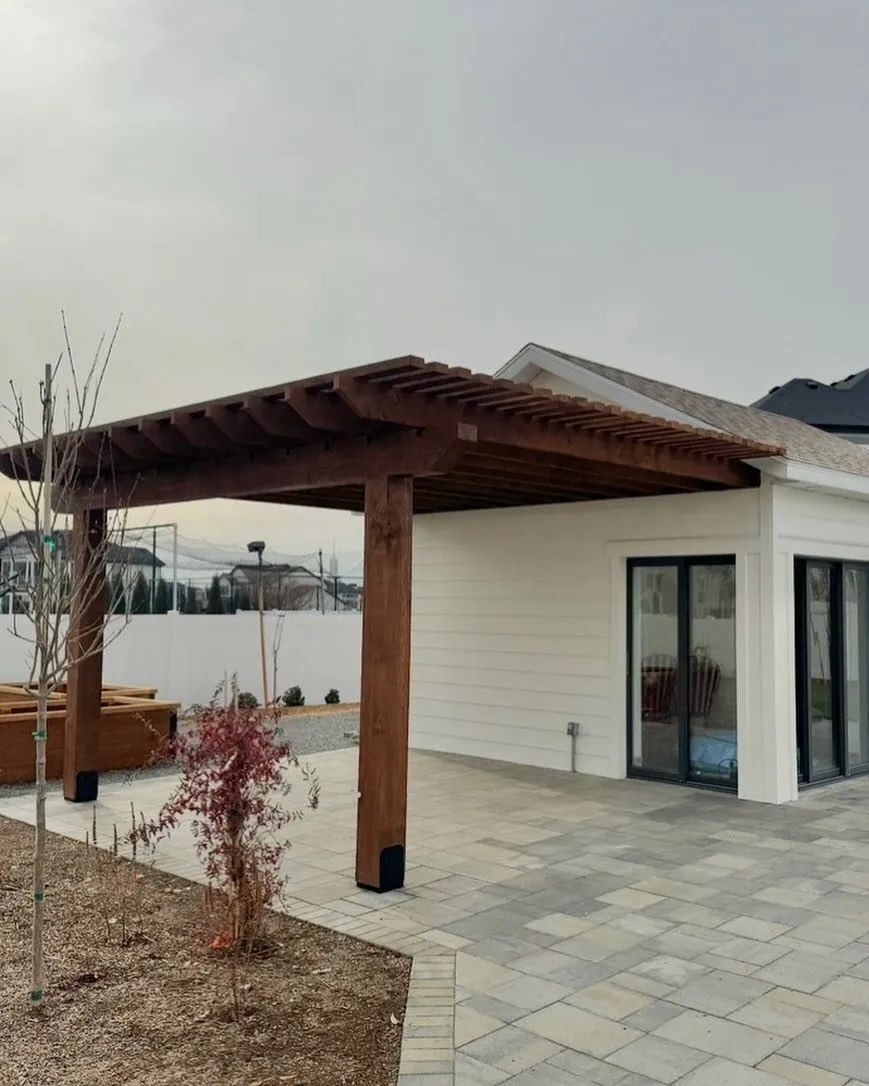
- Planning and design: first it is imperative to determine the size, shape, and location of your desired pergola. Make sure your structure will meet all building codes and check with your city if you need a permit.
- Site preparation: Clear and level the site where your custom pergola will be built. Make sure the area is free of debris and ready for construction. Here in Utah we often run into uneven ground, ensuring the ground is level and the dirt is compacted is crucial to your pergola foundation.
- Material selection: Choose the materials you will use for the pergola's posts, beams, rafters, and decorative elements. We recommend using aluminum pergola products for most custom pergolas we build here in Utah.
- Footing installation: Dig and pour concrete footings for the posts. Allow the concrete to cure before continuing construction.
- Post installation: Set the posts in the concrete and ensure that it is dried before moving on to the next step.
- Beam installation: Attach the beams to the posts, making sure they are level and evenly spaced.
- Rafter installation: Attach the rafters to the beams, spacing them evenly.
- Finish work: Install any decorative elements and add any finishing touches, such as paint or stain.
It is important to follow building codes and guidelines, and to seek professional assistance if needed. We specialize in custom pergolas and decks, contact us for a free quote on your dream project.

By H&L Custom Builders
•
February 2, 2026
Iron railings provide maximum strength and durability, aluminum resists corrosion and stays lightweight, and wood offers flexibility in design while requiring regular maintenance to remain secure. Iron is the strongest option for high-traffic decks or elevated platforms where impact resistance matters most. It can support heavy loads and withstand accidental strikes without bending. Aluminum delivers similar durability at a lower weight, making it easier to install on existing structures without adding stress to the deck frame. Wood railings integrate visually with timber decks and allow for custom profiles and decorative details. However, wood needs periodic inspection for rot or loose fasteners, especially in joints where moisture can collect. Proper sealing extends the life of wood railings and keeps them safe to use.

By H&L Custom Builders
•
January 29, 2026
Retractable awnings extend when you need shade and roll back to expose the area to sun or reduce wind load, while fixed awnings stay in place year-round. Retractable options give you control over sun exposure throughout the day. You can extend the awning during peak afternoon heat and retract it in the evening to enjoy starlight or let morning sun warm your patio. Fixed awnings provide constant coverage and typically support heavier fabric weights, making them suitable for areas where you want permanent shelter. Both styles can be customized to match your home's exterior and the dimensions of your outdoor space. Retractable models require a mounting surface strong enough to handle the mechanical housing, while fixed frames need robust anchoring for wind resistance.
By H&L Custom Builders
•
January 29, 2026
Aluminum pergolas resist rust and require minimal upkeep, while timber pergolas offer natural warmth and can be stained to match existing outdoor finishes. Aluminum holds up well in Highland's dry climate and won't warp or crack as temperatures shift. It's a practical choice if you want a structure that stays consistent in appearance without regular treatment. Timber gives you more flexibility in design details and ages with character if you apply protective sealers periodically. Both materials support ceiling fans and lighting installations. Aluminum frames often come pre-drilled for electrical runs, while timber allows for custom routing during the build. For related outdoor projects, consider awning installation services in Highland to add shade options alongside your pergola.

By H&L Custom Builders
•
January 29, 2026
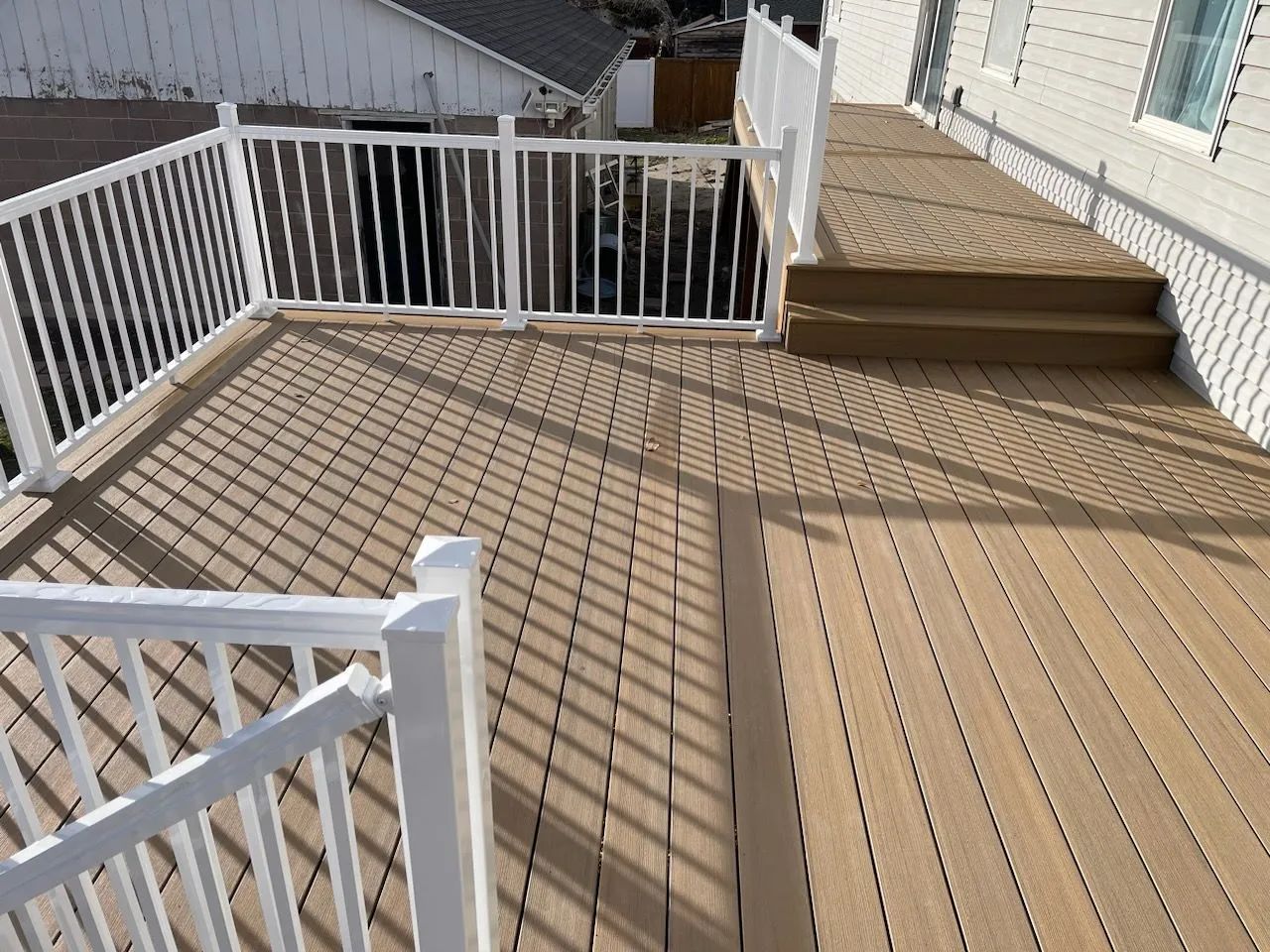
Composite materials require less maintenance than wood and resist warping, while wood offers a natural appearance and can be refinished over time. Your choice between composite and wood depends on how much upkeep you want to manage. Composite decks stay consistent in color and texture for years without staining or sealing. Wood decks develop character as they age and give you the option to change their finish when your style preferences shift. Both materials perform well in Utah's dry climate. Composite resists fading from sun exposure, and wood can be treated to handle temperature swings. The decision often comes down to whether you prefer low maintenance or the flexibility to refresh the look later.